
A mosquito bite looks simple on skin, but inside the body a complex reaction starts immediately. The event happens outdoors and indoors, day and night, in many climates, and affects people of all ages. A mosquito bite triggers immune signals, blood vessel changes, and nerve responses that together cause redness, swelling, and itching within minutes.
How a mosquito bite begins
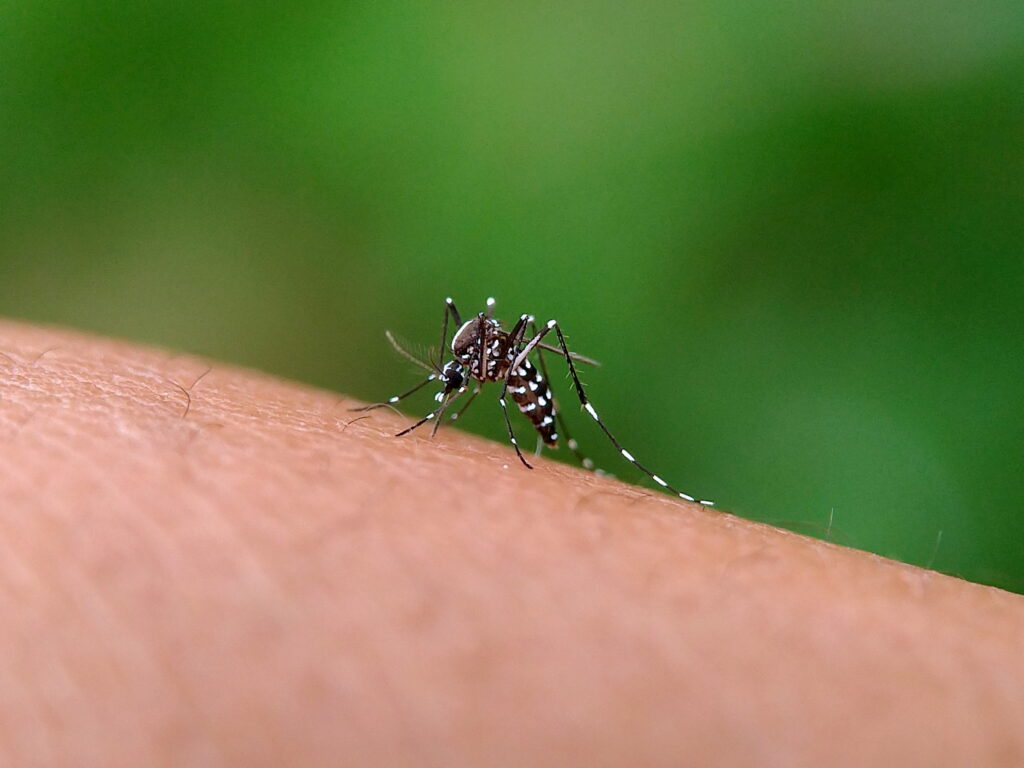
When a mosquito lands on skin, it does not inject blood directly. The insect uses a thin mouth structure to search for a small blood vessel. During this process, saliva enters the skin. This saliva contains proteins that prevent blood from clotting and allow feeding to continue without interruption.
The human body does not react to the puncture itself. The reaction comes from saliva compounds. The immune system detects foreign proteins and starts defense mechanisms. This process begins almost instantly, even before the mosquito leaves the skin.
Mosquito saliva also acts as a mild anesthetic. This is why the bite is often not felt at the moment of feeding. Only later, when immune chemicals spread, does the sensation appear.
Immune system response under the skin
After saliva enters the skin, immune cells located in tissue recognize it as foreign. Mast cells release histamine. Histamine causes blood vessels to widen and become more permeable. Fluid leaks into surrounding tissue, creating swelling.
Redness appears because increased blood flow reaches the area. Heat sometimes follows, especially in sensitive individuals. Nerve endings near the bite react to chemical signals and send itch signals to the brain.
The body response follows a predictable sequence that includes:
- detection of mosquito saliva proteins
- release of histamine from mast cells
- dilation of local blood vessels
- fluid accumulation in tissue
- activation of itch–related nerve endings
This sequence explains why the bite grows slightly over time and why scratching feels tempting but rarely helps.
Why itching feels so intense
The itch sensation has a protective role. The brain sees an itch as a sign to get rid of a possible threat. Scratching a mosquito bite doesn’t get rid of saliva proteins, but it does make pain receptors more sensitive. Pain signals block itch signals for a short time, giving you some relief.
Scratching also damages skin slightly. This damage can increase inflammation and prolong healing. For some people, repeated scratching leads to thicker skin or small scars.
The strength of itching depends on individual immune sensitivity. People often exposed to mosquito bites may react less strongly over time, while others develop stronger reactions after repeated exposure.
Differences between people and reactions
Not everyone reacts the same way to mosquito bites. Some people show small flat marks that disappear quickly. Others develop large swollen areas that last several days. These differences come from immune system variation, not mosquito species alone.
Children often show stronger reactions because their immune system has less prior exposure. Elderly individuals may show weaker redness but slower healing. Genetics also play a role in how histamine release is regulated.
Environmental factors influence reaction strength. Heat increases blood flow and can intensify swelling. Sweating spreads saliva proteins slightly, expanding the affected area.
What happens hours after the bite?
Several hours after the bite, the immune response continues. White blood cells move to the area to clear foreign proteins. Swelling slowly decreases as fluids are reabsorbed. Redness fades when blood vessels return to normal size.
In most cases, the process ends within one or two days. In sensitive individuals, the reaction can last longer. Secondary infection can occur if skin is broken and bacteria enter.
During this phase, the body creates immune memory. The next exposure to similar saliva proteins may cause a faster response, but not always a stronger one.
Why mosquitoes choose certain people
Mosquitoes do not bite randomly. They detect carbon dioxide, body heat, and skin chemicals. People who breathe more deeply or produce certain odors attract mosquitoes more easily.
Blood type, skin bacteria, and pregnancy status influence attraction. Movement and dark clothing also increase visibility for mosquitoes.
Factors that increase attraction include:
- higher carbon dioxide output
- increased skin temperature
- specific skin bacteria combinations
- physical activity before exposure
These factors affect mosquito behavior, but they do not change the internal reaction once a bite happens.
Disease transmission inside a bite
Not every mosquito bite transmits disease. Only certain species carry pathogens, and only after feeding on an infected host. When transmission occurs, pathogens enter the bloodstream or tissue together with saliva.
The immune response to saliva still occurs, but the body must also respond to viruses or parasites. This creates a more complex reaction that may include fever, fatigue, or systemic symptoms.
The bite itself does not cause disease. It acts as a delivery route. Early immune activity at the bite site sometimes limits infection spread, but not always.
Healing process and skin recovery
Skin healing begins once immune activity decreases. New skin cells replace damaged tissue. Blood vessels repair small leaks. Nerve endings return to normal sensitivity.
Keeping the bite clean supports healing. Cooling the area reduces blood flow and lowers swelling. Pressure can temporarily limit histamine spread.
In most cases, complete healing leaves no signs. Scratching or a secondary infection, not the bite itself, usually causes persistent marks.
Why some bites appear later
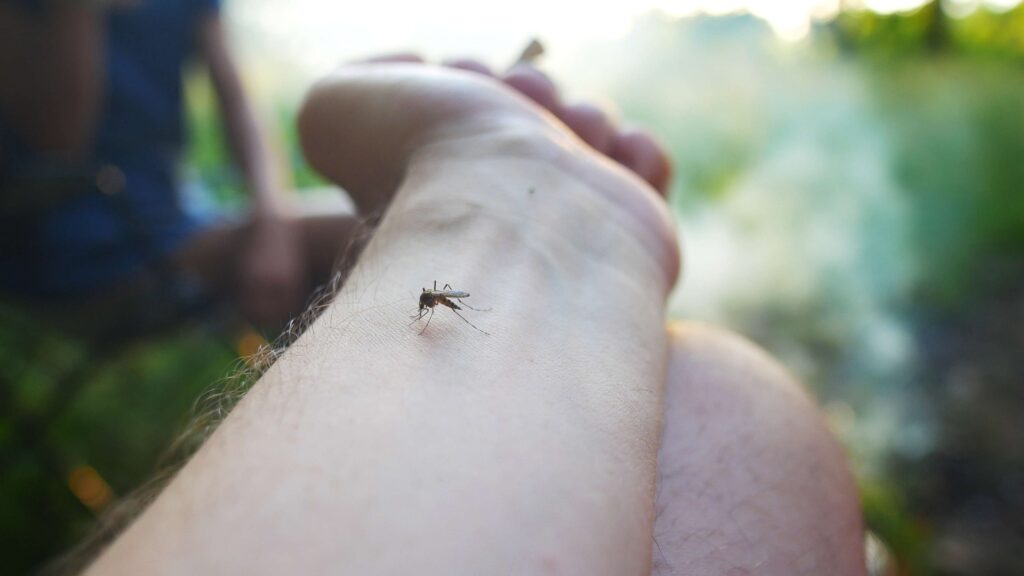
Some mosquito bites seem to take longer to show up. The immune system might not react right away, especially the first time. A mark can show up hours after the bite, usually after sleeping.
It’s normal for reactions to be delayed, and they don’t mean you’re in danger. The body just needed more time to recognize the proteins in saliva and get immune cells to work.
This delay is why people sometimes wake up with new bites that they didn’t feel during the night.
Long–term sensitivity and tolerance
Over time, many people develop partial tolerance. The immune system becomes familiar with mosquito saliva proteins and releases less histamine. This leads to smaller reactions.
Tolerance is not guaranteed. Some individuals remain highly sensitive throughout life. Health status, daily stressors, or alterations in immune equilibrium may affect the body’s responses over time. The way people react to mosquito bites shows how insects and humans interact in a living system. Every bite sets off a small but organized response in which nerves and immune cells work together.
People find it easier to understand what happens when they get bitten by a mosquito. The irritation is not random or by chance. The body makes this reaction to protect itself from things that get into the skin.